What is manufacturing PR - and why does sector depth matter?
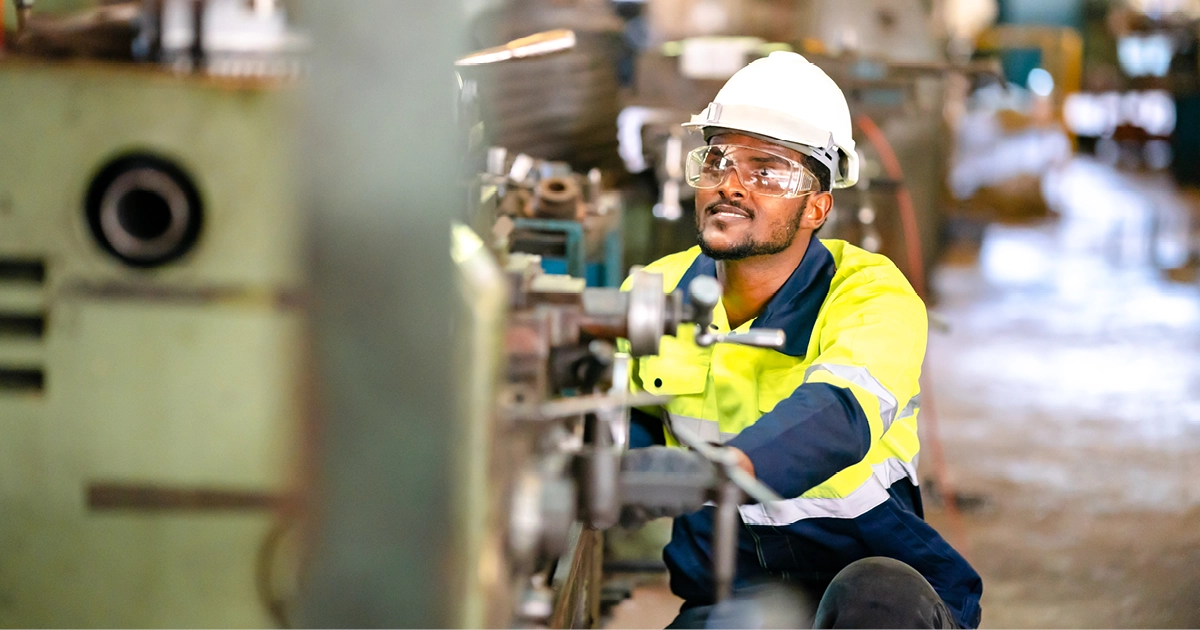
Manufacturing PR is public relations practice built specifically for industrial and manufacturing businesses. It is not generic PR applied to a factory context. The audiences are different. The media are different. The buying process is different. And the communications that work are different too.

The basics: what manufacturing PR actually covers
At its simplest, manufacturing PR means getting the right message in front of the right industrial audience at the right time in their buying process. That sounds obvious. In practice, most businesses get at least one of those three things wrong.
The right message for a trade editor is not the same as the right message for a procurement manager. The right media for a specification-led builders product is not the same as the right media for an automotive OEM supplier. And the right time in a manufacturing procurement cycle can be twelve to eighteen months before any order is placed.
Manufacturing PR covers:
- Trade and technical press relations
- Product launch communications
- Technical content and white papers
- CPD programme communications
- Sector body and association engagement
- Crisis and issues management
- Trade show and exhibition PR
- Digital PR and online authority building
Why manufacturing PR needs specialist knowledge
Here is the thing most businesses only discover after they have wasted a year with the wrong agency. Trade editors in manufacturing sectors are not like consumer journalists. They have deep technical knowledge. They read press releases with a critical eye. They can tell instantly when copy has been written by someone without sector understanding.
Send a technically shallow press release to the editor of a heating industry trade title and it goes in the bin. Send a well-crafted, technically accurate piece that actually helps their readers - and you get coverage, editorial credibility and specification mentions that paid advertising cannot buy.
The test for any manufacturing PR agency is simple: can they write something an engineer or a trade editor would read and respect? If the answer is no, the press release budget is being wasted.
The difference between manufacturing PR and general PR
General PR agencies work primarily with consumer audiences and mainstream media. They understand how to generate coverage in national newspapers, consumer magazines and broadcast media. That skill set has genuine value - but it is largely irrelevant to most manufacturing businesses.
Your customers are not reading consumer magazines to make procurement decisions. They are reading trade titles, attending sector events, participating in professional associations and responding to peer recommendations. Reaching them requires a different set of media relationships and a different kind of content.
Manufacturing PR agencies like Extraordinary Engagement work exclusively with trade and technical media. We know the editors, we understand what they need, and we have a track record of delivering content they will actually publish.
The three audiences manufacturing PR must reach
Most manufacturing businesses have at least three distinct audiences that PR needs to work for simultaneously.
Trade buyers and procurement teams need evidence of reliability, quality, supply chain stability and commercial viability. They read trade press and respond to peer recommendations.
Specifiers and technical decision-makers - architects, engineers, installers - need technical credibility. They respond to white papers, case studies, CPD content and authoritative technical articles.
Business and industry media cover broader corporate stories - growth, investment, sustainability, skills and supply chain. This audience matters for employer brand, investor relations and sector standing.
How manufacturing PR fits the buying cycle
Manufacturing procurement cycles are long. An architect specifying a product today may have first encountered that product at a trade show two years ago, read a case study eighteen months ago, and spoken to a technical sales representative six months ago before finally putting it on a drawing.
Effective manufacturing PR works across that entire timeline - building awareness early, establishing credibility in the middle stages, and reinforcing the decision at the point of specification or purchase.
What manufacturing PR looks like in practice
In practical terms, a manufacturing PR programme might include a monthly editorial calendar covering trade press targets, a quarterly white paper or technical article, regular product news releases, a trade show communications plan and a quarterly review of coverage and commercial impact.
The detail varies by sector. FMCG PR looks different from automotive PR, which looks different again from builders products PR. But the underlying principle is the same: communicate credibly, consistently and with genuine depth to the audiences that drive your commercial results.
Is manufacturing PR right for your business?
If your customers make procurement decisions based on technical credibility, sector reputation and peer recommendation rather than advertising, then yes - manufacturing PR almost certainly has a role to play.
The question is not whether to do it. It is who to do it with. Read our guide to choosing a manufacturing PR agency for a clear framework for making that decision.